Lower Back Strengthening Exercises: A 20-Minute Routine
A 20-minute lower back strengthening routine with bird dogs, dead bugs, side planks and more, plus form cues, a 4-week progression and safety advice.

This 20-minute routine strengthens the muscles that support your lower back: the deep core, the muscles along your spine, your glutes and the sides of your trunk. It’s designed as general strengthening for people who don’t currently have back pain and want a stronger, more resilient midsection. You need a mat and a broom handle, and you can do it at home two or three times a week.
Why train the muscles around your lower back
Your lower back doesn’t work alone. Every time you lift a laundry basket, carry a child or get up from the floor, your abs, glutes, hips and spinal muscles share the load. Training them together, with an emphasis on holding your spine steady while your arms and legs move, is the idea behind most of the moves below.
There’s research behind staying active, too. A 2016 meta-analysis of 21 randomized trials with more than 30,000 participants found that exercise combined with education was linked to a lower risk of an episode of low back pain (moderate-quality evidence), and exercise alone showed a similar trend (low-quality evidence). Education alone, back belts and shoe insoles showed no clear effect. Those are average findings across many people, not a guarantee for any one person, but they support making core and back work a regular habit.
The CDC recommends muscle-strengthening activity on at least 2 days a week that works all major muscle groups, including your back, abdomen and hips. This routine covers those three, so pair it with leg, chest, shoulder and arm work elsewhere in your week.
Before you start
If you have back pain right now, numbness or tingling in your legs, or pain that started after an injury or fall, see a doctor or physio before doing this routine. The NHS says to get emergency help if you have pain, tingling, weakness or numbness in both legs, changes in bladder or bowel control, or pain that started after a serious accident.
Everything below should feel like muscular effort, not pain. If a move causes pain in your back or down a leg, stop that exercise.
Warm-up
Spend 3 minutes marching on the spot, then do 8 slow cat-cow rounds on your hands and knees, moving your spine gently through a comfortable range.
The 20-minute routine
Work through the list in order. Move slowly and treat each rep as practice for good control.
| Exercise | Sets | Reps or time | Rest |
|---|---|---|---|
| Bird dog | 2 | 6–8 per side, 3-sec hold | 30 sec |
| Dead bug | 2 | 6–8 per side | 30 sec |
| Glute bridge | 2 | 10–12 | 30 sec |
| Side plank | 2 | 15–30 sec per side | 30 sec |
| McGill curl-up | 2 | 5 per side, 8–10 sec hold | 30 sec |
| Superman or back extension | 2 | 8, 2–3 sec hold | 30 sec |
| Hip hinge drill (dowel) | 2 | 10 | 30 sec |
Form cues and options
Bird dog. On hands and knees, brace your abs lightly and reach one arm forward and the opposite leg back until both are level with your body. Keep your hips square to the floor, as if balancing a cup of water on your lower back. Easier: move only the leg, keeping both hands down. Harder: hold for 5 to 10 seconds, or draw elbow to knee under your body between reps.
Dead bug. Lie on your back with your arms pointing to the ceiling and your hips and knees bent at 90 degrees. Keep your lower back gently in contact with the floor as you lower one arm and the opposite leg toward the floor, then return. Breathe out as you lower. Easier: move only the legs, tapping a heel to the floor. Harder: straighten the leg further, or hold a light weight in your hands.
Glute bridge. Feet flat close to your hips, press through your heels and lift until your body is straight from shoulders to knees. Squeeze your glutes at the top rather than arching your back. Easier: smaller range. Harder: single-leg bridge.
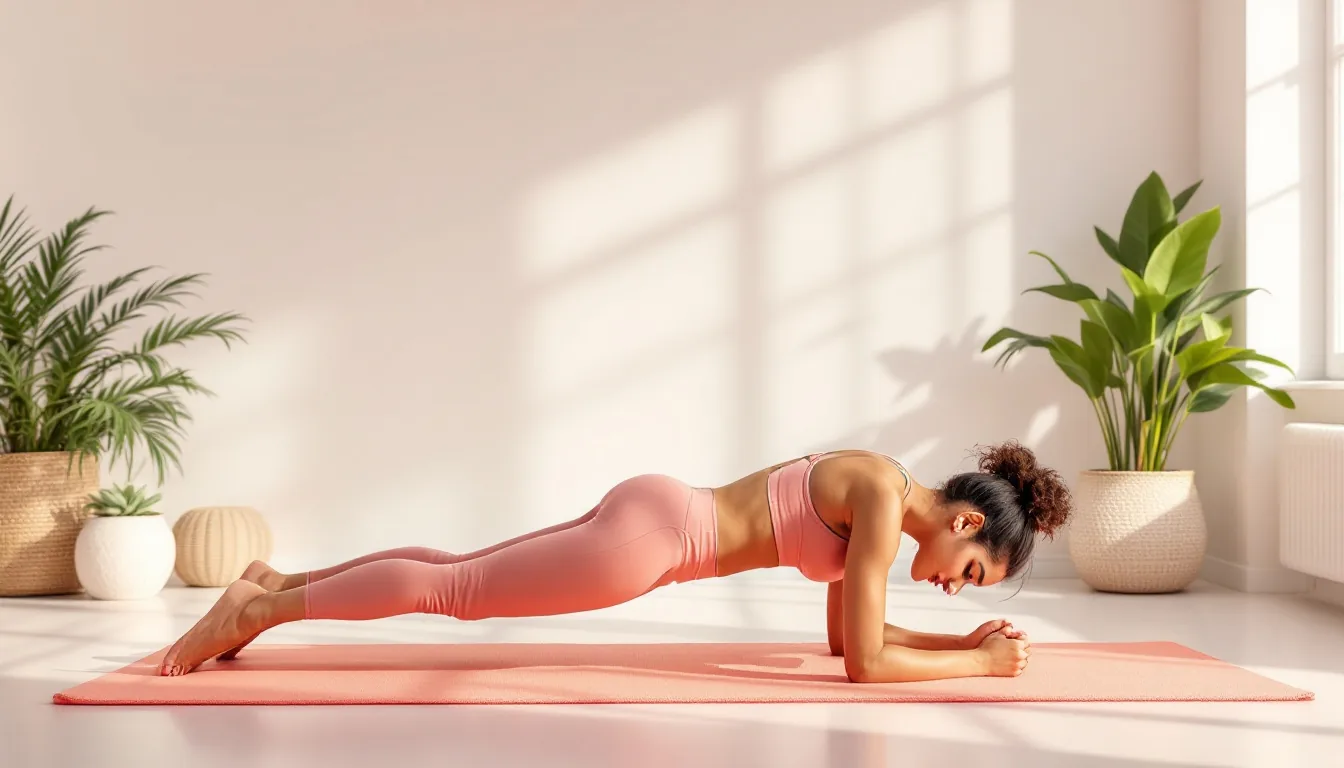
Side plank. Elbow under your shoulder, body in one straight line from head to feet, hips lifted. Don’t let your top hip roll back or your waist sag. Easier: bend your knees and pivot from them. Harder: lift your top leg, or hold longer.
McGill curl-up. Lie on your back with one knee bent and the other leg straight, hands under the natural curve of your lower back. Lift your head and shoulders just an inch or two without bending your neck forward, hold, then lower. Switch the bent leg halfway. Easier: shorter holds. Harder: lift your elbows off the floor during the hold.
Superman or back extension. Lie face down with your arms forward. Gently lift your arms, chest and legs a few inches, keeping your neck long and eyes on the floor. Easier: lift only your arms and chest, or alternate one arm and the opposite leg. Harder: a gym back extension bench with a short range and controlled tempo.
Hip hinge drill. Stand holding a broom handle along your spine so it touches the back of your head, upper back and tailbone. Push your hips back with soft knees, keeping all three contact points, until you feel a stretch in your hamstrings, then stand up by squeezing your glutes. Easier: hinge to a smaller range. Harder: once you can keep contact, swap the dowel for a light dumbbell Romanian deadlift.
Cool-down
Finish with 2 to 3 minutes of easy movement: a gentle bottom-to-heels child’s pose, slow knee rolls side to side while lying on your back, and a few deep breaths. For more hip work, add a few moves from the hip mobility routine.
How often and how to progress
Do the routine 2 or 3 times a week on non-consecutive days. On the other days, walking is a good companion.
| Week | Focus |
|---|---|
| 1 | Use the easier options where you need them. Low end of every rep and time range. |
| 2 | Move to the full version of each exercise. Middle of the ranges. |
| 3 | Top of the ranges, and add 2 seconds to each hold (bird dog, McGill curl-up, superman). |
| 4 | Add a third set of bird dog, side plank and glute bridge, or try one harder option per move. |
After week 4, keep the routine as a twice-weekly habit and build in harder options one at a time. If you want a structured month of back work, the 30-Day Back Challenge for Better Posture and Strength builds on these basics, and 8 Back Exercises to Tone Your Upper Back covers the upper back muscles this routine doesn’t target. The Core Workout for Women is a good partner session for the front of your trunk.
FAQs
Can I do this routine if I already have back pain?
Check with a doctor or physio first. The NHS advises staying active with back pain and suggests stopping and seeing a GP if your pain gets worse. A physio can tell you which of these moves suit you and which to skip for now.
Why are there no sit-ups or heavy back exercises?
This routine focuses on control: keeping your spine steady while your limbs move. Heavier lifts like deadlifts are great once your hinge pattern is solid, and the hip hinge drill is the bridge to them.
Should I feel this in my lower back?
You’ll feel the muscles around your trunk and glutes working, and the superman will work the muscles along your spine. You shouldn’t feel sharp pain, pinching or pain down a leg. If you do, stop and get it checked.
Sources
General information only, not medical advice. Stop if you feel pain, dizziness or shortness of breath, and check with a health professional before starting if you have any concerns.