Pelvic Floor Exercises for Women: How to Find and Train the Right Muscles
How to find your pelvic floor muscles, a simple NHS-based routine of long and short squeezes, common mistakes, and when to see a GP or pelvic health physio.

Pelvic floor exercises train the small group of muscles that support your bladder, bowel and uterus. This guide shows you how to find those muscles, gives a short routine based on NHS guidance, and explains when it’s worth getting a professional to check your technique. It’s for any woman: pregnant, postpartum, getting older, or someone who simply never learned how to do these properly.
What the pelvic floor is
Your pelvic floor is made up of layers of muscle that stretch like a hammock from your pubic bone at the front to your tailbone at the back, as North Tees and Hartlepool NHS Foundation Trust describes it. These muscles support your bladder, bowel and uterus and help control the openings you pee and poo through.
Like any muscle, they can weaken. Pregnancy and childbirth are common reasons, and the NHS notes that these exercises strengthen the muscles around your bladder, vagina and bottom. Because you can’t see them working, a lot of people do the exercises without realizing they’re squeezing the wrong thing.
How to find the right muscles
The NHS describes two squeezes that together switch on your pelvic floor:
- The back. Squeeze and draw in your bottom as if you’re holding in wind.
- The front. Squeeze around your vagina and bladder as if you’re stopping the flow of urine.
When you do it right, you should feel a gentle lift and squeeze inside, with your buttocks, thighs and stomach staying fairly relaxed. The North Tees and Hartlepool guide suggests two ways to check: look in a mirror and watch the area between your vagina and anus draw inward as you squeeze, or insert one or two clean fingers into your vagina, for example in the bath, and feel for a gentle squeeze around them.
If you can’t feel anything, don’t worry. It often takes a few tries, and lying down makes it easier to start.
The routine
The NHS post-pregnancy guidance gives a simple structure that suits most women:
- Long squeezes: hold for as long as you can, but no longer than 10 seconds, then relax.
- Short squeezes: squeeze quickly and let go immediately, repeating until your muscles get tired.
- How much: build up to 10 repeats of each exercise, at least 3 times a day.
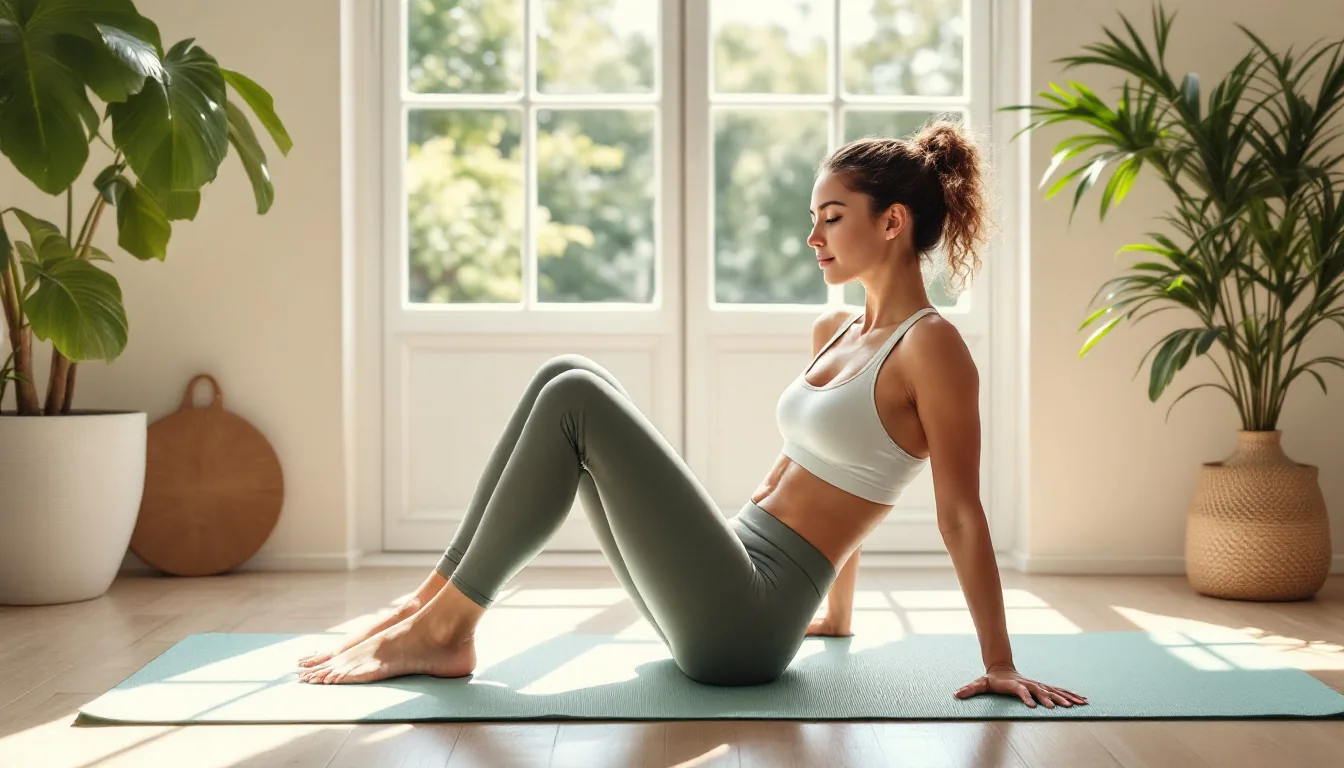
You can do them lying down, sitting or standing. Breathe normally throughout and don’t pull in your stomach when you squeeze.
| Exercise | Sets | Reps or time | Rest |
|---|---|---|---|
| Long squeeze and hold | 1 | Build up to 10 reps, holding each for up to 10 sec | Fully relax for about 5 sec between reps |
| Short squeeze | 1 | Build up to 10 quick squeezes, or until your muscles tire | Let go straight away between reps |
Repeat the whole routine at least 3 times a day. It takes only a few minutes, and nobody can tell you’re doing it. The NHS suggests using a trip to the toilet as a reminder, doing your exercises after you’ve finished.
Form cues and options
Long squeeze and hold. Squeeze the back and front together, lift up and in, and hold while breathing normally. Let the muscles fully relax before the next rep; the letting go matters as much as the squeeze. Easier: lie on your back with your knees bent and start with a 2 or 3 second hold. Harder: work up to 10-second holds, then practice sitting and standing.
Short squeeze. Squeeze firmly and quickly, then release completely. Aim for crisp on-off squeezes rather than a fluttering half-hold. Easier: fewer reps lying down. Harder: do them standing, or straight after your long holds when the muscles are already a bit tired.
As a warm-up, take a few slow breaths and let your belly and pelvic floor relax. As a cool-down, finish with a few more relaxed breaths so you don’t leave the muscles clenched.
Common mistakes
The North Tees and Hartlepool guide lists several habits that mean other muscles are doing the work. When you exercise, don’t:
- squeeze your buttocks together
- bring your knees together
- pull your tummy in
- hold your breath
- lift your shoulders, eyebrows or toes
Two more to watch: rushing through the short squeezes without fully letting go, and only doing the exercises occasionally. Like any strength training, they need regular practice.
How long before you notice a difference
Be patient. For urinary incontinence, the NHS treatment guidance describes a supervised programme of at least 8 contractions, at least 3 times a day, lasting at least 3 months, and says you can carry on if it’s helping after that. The North Tees and Hartlepool guide says it may take several weeks of regular exercise to regain strength, and that the exercises are worth keeping up for life.
During pregnancy and after birth
If you had a straightforward birth, the NHS says you can start gentle exercise, including pelvic floor exercises, as soon as you feel up to it. After a caesarean or a more complicated delivery, recovery takes longer, so talk to your midwife, health visitor or GP before doing anything strenuous. It’s also a good idea to get advice at your 6-week postnatal check before high-impact exercise such as running.
Once you’re cleared for more, Losing Weight After Pregnancy: A Realistic, Safe Approach covers how to build activity back up gradually, and a gentle walking routine like the 4-week walking plan is an easy next step.
When to see a GP or pelvic health physio
This routine is general information, not a diagnosis. See your GP if you notice any of these, as they can refer you to a specialist such as a pelvic health physiotherapist:
- Leaking when you cough, sneeze, laugh or exercise, or sudden urges you can’t hold. The NHS says a GP may refer you to a specialist who can assess how well you can squeeze your pelvic floor muscles.
- Leaking or incontinence after giving birth. The NHS encourages you to ask a GP or health visitor for help at any time.
- Possible prolapse symptoms. The NHS lists a feeling of heaviness, discomfort or pressure in your lower tummy or vagina; feeling or seeing a bulge or lump in or coming out of your vagina; pain, discomfort or numbness during sex; and bladder or bowel problems such as leaking during activity.
- Pain in your pelvis, or pain when doing these exercises.
- You can’t feel the muscles working, even after a few weeks of trying.
If you’re pregnant, have recently given birth or have any of the symptoms above, check with your GP, midwife or a pelvic health physio for advice that fits you.
Building it into your training
Pelvic floor work sits alongside the rest of your core training rather than replacing it. Once you’re comfortable with the squeezes, the Core Workout for Women: 10 Moves for a Stronger Midsection is a natural next step, and the Lower Back Strengthening Exercises routine adds gentle work for the muscles that wrap around your trunk.
FAQs
Do I need these if I’ve never had a baby?
They’re not just for new mothers. The North Tees and Hartlepool guide recommends keeping them up throughout your life, and the same routine works at any age.
Can I do them too much?
Stick to the NHS structure of up to 10 long and 10 short squeezes, at least 3 times a day, and always let the muscles relax fully between reps. If you feel pain or your symptoms get worse, stop and see your GP.
What if I’m not sure I’m doing them right?
That’s very common. Try the mirror or finger check above, and if you still can’t tell, ask your GP for a referral to a specialist who can assess your technique.
Sources
General information only, not medical advice. Stop if you feel pain, dizziness or shortness of breath, and check with a health professional before starting if you have any concerns.